Heat-number traceability in fabrication means every part of a fabricated item can be traced back to the plate or section it was cut from, and from there to the heat of steel and its mill test certificate. For pressure equipment and many structural contracts it is a contract or code requirement. For everyone else, it is the fastest way to answer a client who asks what a member was made from.
Traceability is easy at receipt: the plate arrives with a heat number stamped on it and a certificate in the file. It is hard everywhere after that, because fabrication turns one plate into many parts and many parts into one assembly.
Where traceability breaks
Most fabricators can trace a whole plate. The record usually breaks at one of four points:
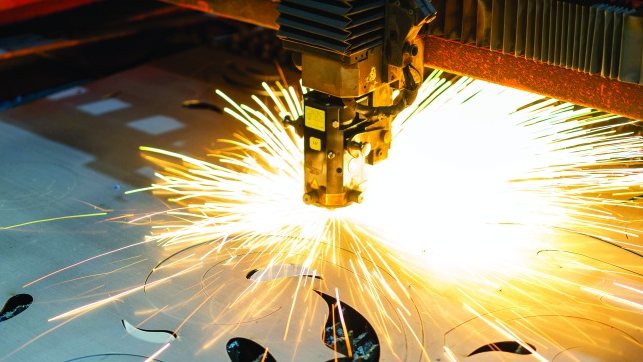
- Cutting. A plate is nested and cut into a dozen parts. The heat number is on one corner of the plate, and only one of the parts carries it.
- Remnants. The offcut goes back to the rack without a mark, and three months later it is used for gussets on another job.
- Fit-up. Parts from different plates come together in one assembly, identified by its mark number. Nobody wrote down which parts went into which mark.
- Rework. A part is scrapped and replaced from stock, and the replacement’s heat number is never recorded.
When the client or the inspector asks for the material traceability record, someone rebuilds it from cutting sketches, memory and the marks still visible on the steel. It takes days, and it is rarely complete.
What the record needs to contain
A useful traceability record links four things:
- The certificate: heat number, grade, thickness and the mill test certificate, often an EN 10204 type 3.1 inspection certificate.
- The plate or section: its own identity in your stores, with the heat number, size and the receipt it came in on.
- The part: each piece cut from that plate, with the plate it came from.
- The assembly: the mark number or tag number the part ended up in, and the welds, NDT and coating records of that assembly.
With those links in place, you can trace in both directions: from a finished member back to its heats, and from a suspect heat forward to every member and every dispatch it went into.
Keeping the heat number through cutting
The physical side is well known. Before a plate is cut, the heat number and plate identity are transferred to each part that will be cut from it, by hard stamping, paint marking or a tag, as the contract or code requires. The data side is where an ERP helps.
When a nesting list is issued against a plate, the system already knows which parts that plate will become. Each cut part inherits the plate’s heat number in the record, so the inspector does not have to copy it by hand. When the remnant goes back to stock, it gets its own identity with size, grade and the same heat number, and it can be issued to the next nesting like any other plate.
From part to mark number
At fit-up, parts are issued to an assembly by mark number. Recording that issue is the step most shops skip, and it is the one that makes the dossier possible. Once parts are linked to the mark, everything that happens to the mark is linked to their heats:
- the welder and WPS used for each joint,
- NDT results and any repairs,
- surface preparation and DFT readings,
- the dispatch list and the truck it left on.
Building the dossier from data
For process equipment, the quality dossier collects material certificates, the weld map, NDT reports, the hydro test report and painting records. When all of these are recorded against the job as the work happens, compiling the dossier becomes a matter of printing and checking, not searching. The same applies to structural work, where the client may ask for a material traceability record per mark number.
A practical way to start
You do not need to change everything at once. A sensible order is:
- Record heat numbers and certificates for every plate and section at receipt.
- Issue plates against nesting or cutting lists, so cut parts inherit the heat number.
- Return remnants to stock with their size and heat number.
- Record parts issued to each mark number at fit-up.
- Add welding, NDT and DFT records against the mark number as each stage is checked.
Common questions
Do we need traceability for every job?
Only some contracts and codes require full traceability, but recording heat numbers at receipt and through cutting costs little once it is part of the routine. It also means you are ready when a client asks.
What about small parts such as gussets and cleats?
They follow the same rule: they inherit the heat number of the plate they were cut from. If they are cut from a remnant, the remnant’s record carries the heat number.
Can we trace a heat forward after dispatch?
Yes, if parts are linked to mark numbers and mark numbers to dispatch lists. A search by heat number then shows every member and every dispatch that contains it.
How Formezy helps
Formezy records heat numbers and certificates at receipt, passes them to cut parts and remnants, links parts to mark numbers, and keeps WPS, welder, NDT and DFT records against the same mark, so the traceability record and the dossier build themselves. See the full flow on the fabrication industry page or the Quality Control module, and book a demo to see it on your own jobs.